
Buying and Selling a Clemson Home at the Same Time
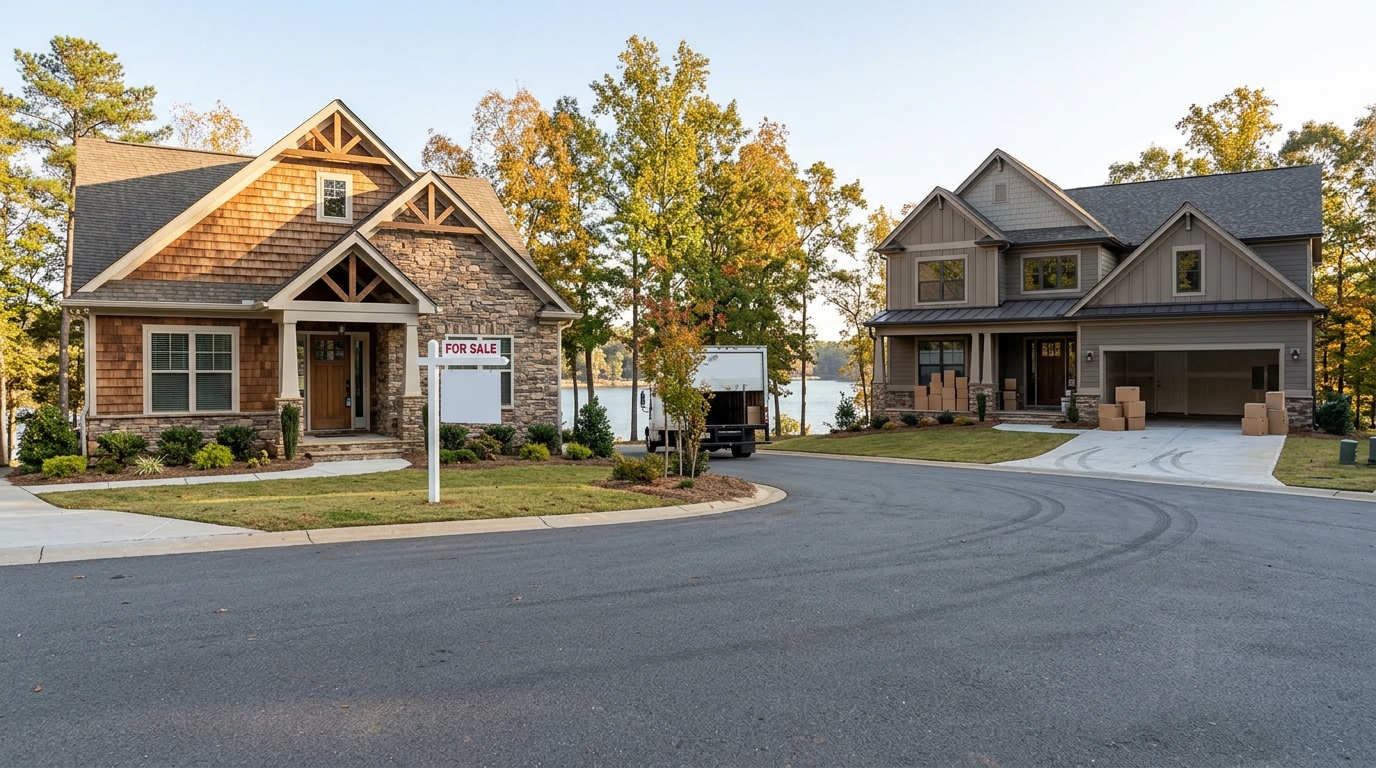
If you are selling a Clemson home and buying another, choose the order by answering one question first: can you complete the purchase before receiving the sale proceeds? That means having both an acceptable loan plan and enough available cash, not merely an estimate of equity in your current home.
Selling first can make the purchase budget clearer but may require temporary housing. Buying first can make the move easier but exposes you to overlapping costs and a sale that takes longer than expected. Coordinating the closings can reduce the overlap, provided the plan still works when a date changes.
Compare the three workable sequences
Sell, then buy. This can fit when your down payment depends on equity from the current home or when carrying two homes would strain the budget. Once the sale closes, you know the proceeds available. The tradeoff is the possibility of two moves, storage, temporary housing, or a limited period to find the next property.
Buy, then sell. This can fit when you qualify for the new loan while still owning the current property and can fund the purchase without counting on an uncompleted sale. It gives you time to move out before preparing the old home for market. Price the overlap honestly: housing payments, utilities, insurance, maintenance, and any extra borrowing costs.
Coordinate the sale and purchase. This can fit when both contracts and the financing allow the intended sequence. A sale-contingent purchase offer, a negotiated possession arrangement, or a gap between closings may help, but another party must agree to the terms. Two appointments on the same calendar day do not guarantee that money from the first will be available for the second.
There is no need to decide from a slogan such as “always sell first.” Eliminate the sequences your financing or cash cannot support, then compare the inconvenience and cost of the remaining choices.
Have the lender evaluate the existing home
Tell the lender whether the current home is listed, under contract, or already sold. For a new principal-residence mortgage governed by Fannie Mae's pending-sale policy, both current and proposed housing obligations generally enter qualification if the old home's title will not transfer first. The policy permits an exception with an executed sale contract and confirmation that financing contingencies have cleared. An accepted offer alone is not the full requirement. Your lender must determine the treatment for your particular loan. Fannie Mae's current pending-sale guidance.
Bridge financing is another loan, not the same thing as having sale proceeds in the bank. Ask for its payment, fees, collateral, payoff terms, and effect on the new mortgage. Fannie Mae's bridge-loan guidance includes documenting the borrower's ability to carry the new home, current home, bridge loan, and other obligations. It does not promise that a lender offers such a product. Bridge and swing loan guidance.
Test the cost of a delay before choosing dates
Suppose, as a hypothetical example, keeping the old home after buying the new one adds $2,400 a month in housing and running costs. A two-month overlap would cost $4,800; a four-month overlap would cost $9,600. These are assumed household costs, not Clemson market averages. Include bridge interest or other charges separately if they are not already in that monthly figure.
Compare that exposure with actual quotes for temporary housing, storage, and an additional move. The cheaper option on a short schedule may not remain cheaper if the sale takes longer. Also decide how much savings must remain untouched so that a delay does not force an immediate price decision you cannot afford.
On the sale side, start with a net-proceeds estimate that deducts mortgage payoff and expected selling expenses from the sale price. On the purchase side, use the lender's cash-to-close estimate and include early expenses. Our Clemson cash-budget guide explains how to avoid counting deposits twice.
Give each contract its own timeline
For each transaction, identify the financing, inspection, appraisal, closing, and possession dates that actually apply. Mark the purchase expenses that depend on sale proceeds. Ask the closing professionals when funds will be disbursed and usable, rather than assuming a signing appointment means immediate access to money.
The Closing Disclosure helps you review final loan terms and closing costs. Its required advance delivery for covered mortgages is a disclosure protection, not a guarantee that two transactions will close together. The CFPB explains the Closing Disclosure.
Plan one fallback in advance: if the sale moves a week, what happens to the purchase, possession, movers, and temporary accommodation? A change agreed in one contract does not automatically change the other. Have any necessary amendments and possession terms documented by the appropriate transaction professionals.
Prepare the Clemson sale while planning the purchase
Do not let the excitement of the next home delay the work needed to sell the current one. Assemble repair information and property documents, decide what preparation is worthwhile, and review the disclosure requirements with your agent and attorney.
South Carolina requires a residential property-condition disclosure for covered transfers, with statutory exclusions. The law addresses delivery and correction and does not replace the buyer's inspection. If an association governs the property, gather the relevant governing documents and financial information early. South Carolina's Residential Property Condition Disclosure Act.
Bring your financing limits, expected net proceeds, and preferred move date to a single planning conversation. Discuss buying and selling with David Vandeputte to connect the Clemson sale strategy with your next purchase and a realistic fallback if the schedules separate.